
Resources
Field notes, tools and glossary.
In-Control blog analysis, our open-source tools and the essential vocabulary of health supply chains — to stay in control.
In-Control
Latest from In-Control
Supply chain glossary
Speak the language of the supply chain.
The terms we use every day in the field, defined simply and illustrated with an example.
Supply Chain Resilience Term of the day Supply Chain Management
The capacity of a supply chain to anticipate, absorb, adapt to, and rapidly recover from a disruption — whether it is a stockout, a humanitarian crisis, or a pandemic — while maintaining continuity of operations and availability of essential products.
Context · In African public health, supply chain resilience is critical: a stockout of antimalarial drugs can cost lives. ASCM assessments precisely measure this capability.
Example · The DRC demonstrated strong resilience during the 2018–2020 Ebola crisis through pre-positioned regional safety stocks.
SCOR — Supply Chain Operations Reference ASCM Framework
The supply chain operations reference model developed by ASCM. It standardizes business processes, performance metrics (KPIs), and best practices around 6 core pillars: Plan, Source, Make, Deliver, Return, Enable.
Context · BFS uses the SCOR model (adapted via the SCMA framework) to conduct standardized, international maturity assessments of national pharmaceutical procurement centers in Africa.
Example · The SCOR analysis revealed that the main bottleneck was in the "Enable" process (Master Data management) rather than in "Deliver".
LMIS — Logistics Management Information System Information System
A system (often digital, but sometimes paper-based) designed to collect, process, analyze, and use logistics data. It tracks the movement of health products from the supplier to the final patient.
Context · Implementing a robust eLMIS (such as DHIS2 or OpenLMIS) is a priority for USAID and the Global Fund to ensure last-mile stock visibility in remote areas.
Example · The deployment of the new eLMIS reduced ARV stockouts by 40% in peripheral health centers.
Fill Rate / Service Level Key Performance Indicator (KPI)
The percentage of customer demand (quantity or orders) that could be met immediately from available stock, without backorders.
Context · This is the ultimate indicator of health product availability. Too low = lives at risk. Too high = waste and stock expiration.
Example · The WHO recommends a minimum service level of 95% for first-line drugs in HIV and malaria programs.
PPS — Probability Proportional to Size Sampling Statistics · Surveys
A probability sampling method where the probability of a unit being selected is proportional to its size (population, number of households, etc.). Recommended by the WHO for post-campaign coverage surveys, it ensures that larger units have a higher probability of selection, providing statistically representative and unbiased estimates.
Context · BFS uses the PPS method for all its post-MDA coverage surveys for NTD-PC. The 2018 WHO Manual establishes it as the gold standard for evaluating population-based health programs.
Example · To evaluate Ivermectin coverage in the Equateur province, BFS draws survey segments using the PPS method based on national census data.
Open source
Tools built for the field
Small digital solutions built for our engagements — open source, reusable, adapted to African contexts.
ASCM references
Choose the right certification path.
Which certification covers which process? The official ASCM map, worth a look before choosing your path.
Compare our programmes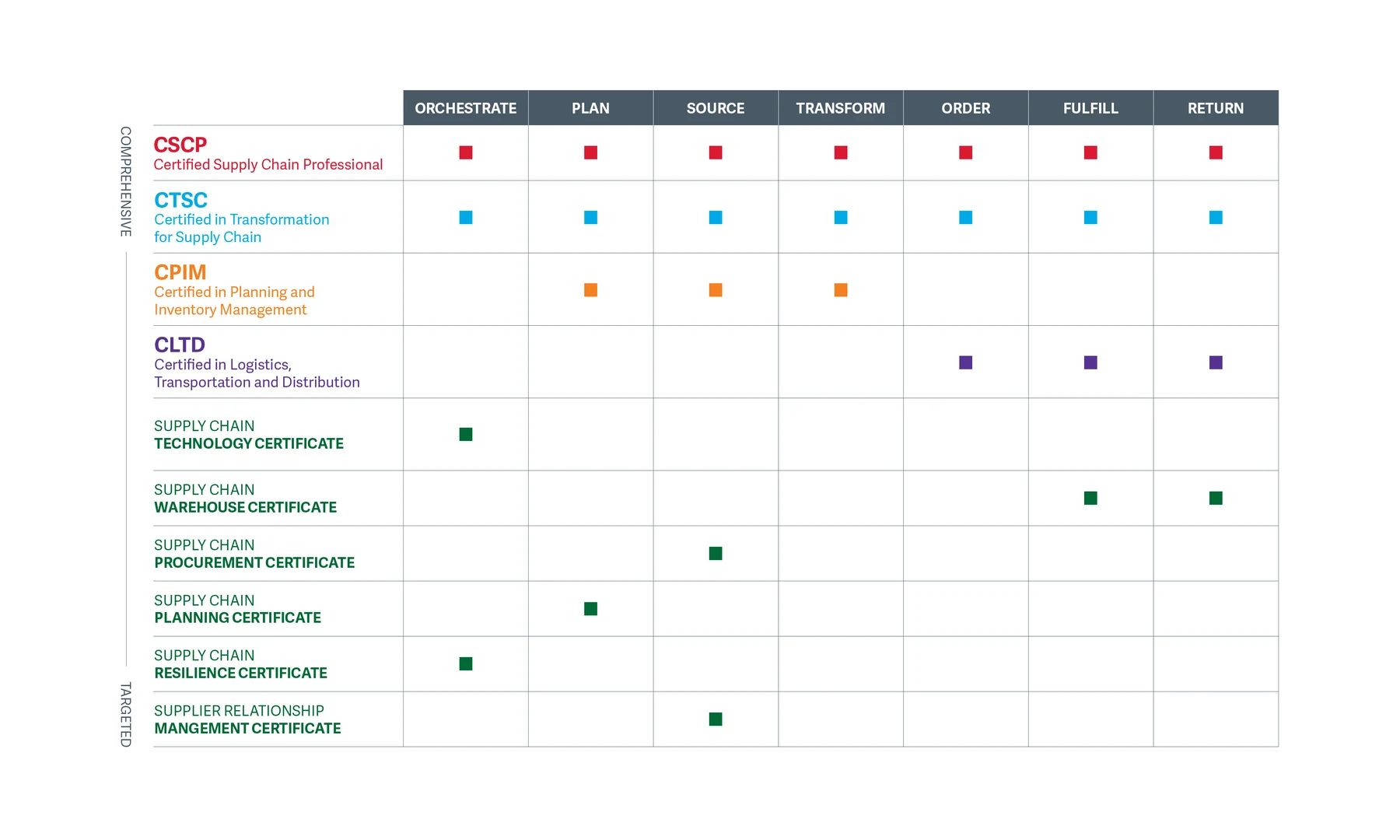
Let’s work together
Let’s build your impact together.
Every stronger health system means better access to care for thousands of people. Tell us about your challenge.